
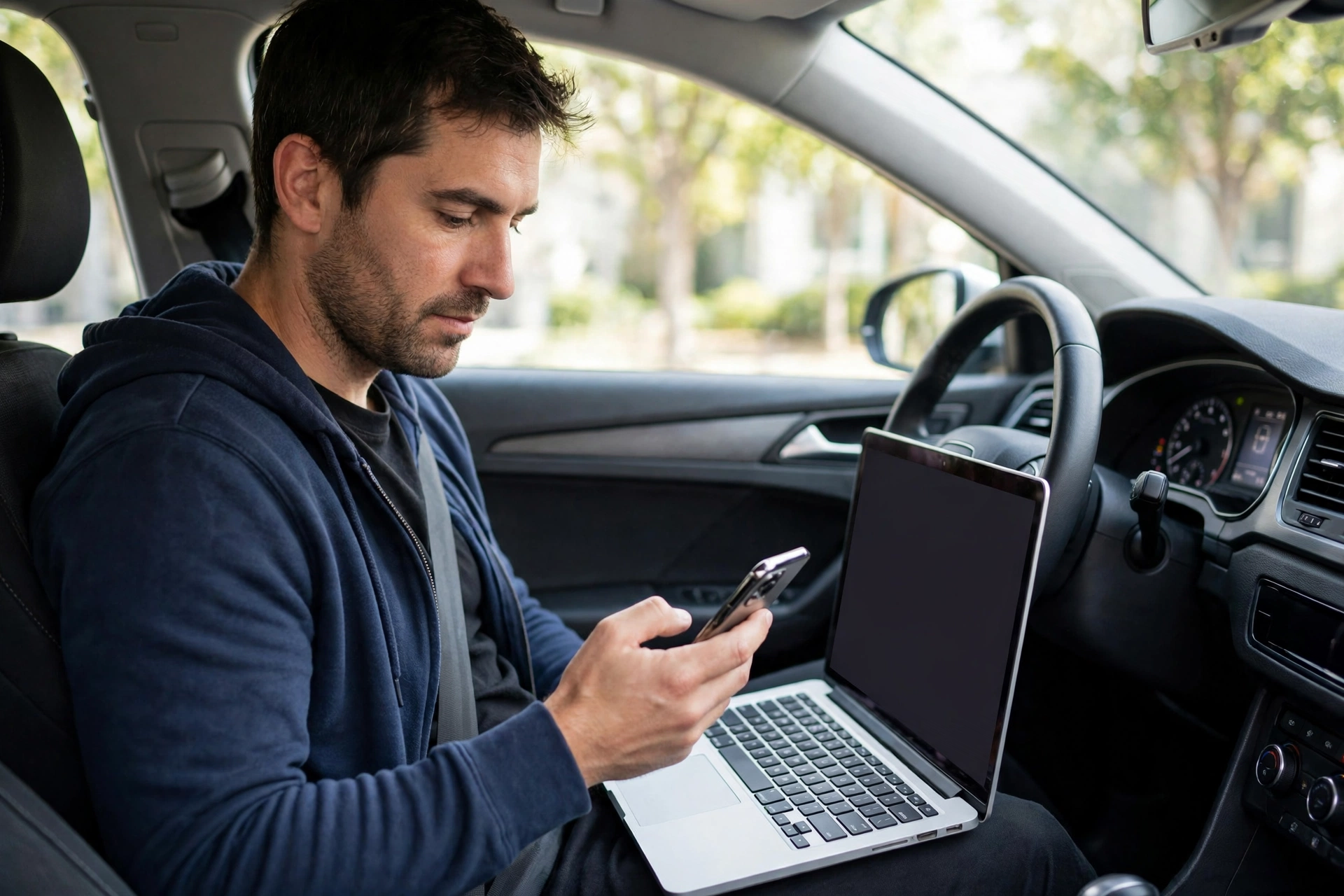
A car recall means the manufacturer found a safety defect in your vehicle and must fix it for free. The quickest way to learn how to check car recalls by VIN is to type your car’s 17-digit vehicle identification number into the free NHTSA recall lookup. It takes less than a minute, costs nothing, and tells you whether your car has an open recall right now. In this guide, you will learn how to check car recalls by VIN step by step, where to find your VIN, and what to do if a recall shows up.
Table of Contents
What Is a Car Recall?
A recall is issued when a carmaker or the National Highway Traffic Safety Administration (NHTSA) finds a defect that affects safety. Common recall problems include faulty airbags, brake failures, fuel leaks, steering faults, and fire risks. A recall is different from a service bulletin: a bulletin covers a known annoyance, while a recall covers a safety risk, and the repair is always free.
Millions of cars are recalled every year in the United States, yet many owners never hear about it. Letters get lost, people move, and used cars change hands without the new owner being told. That is why knowing how to check car recalls by VIN matters so much. A two-minute check can catch a dangerous defect before it causes an accident.
Where to Find Your VIN
Your VIN is a 17-digit code that identifies your exact vehicle. You need it before you can learn how to check car recalls by VIN, so start here:
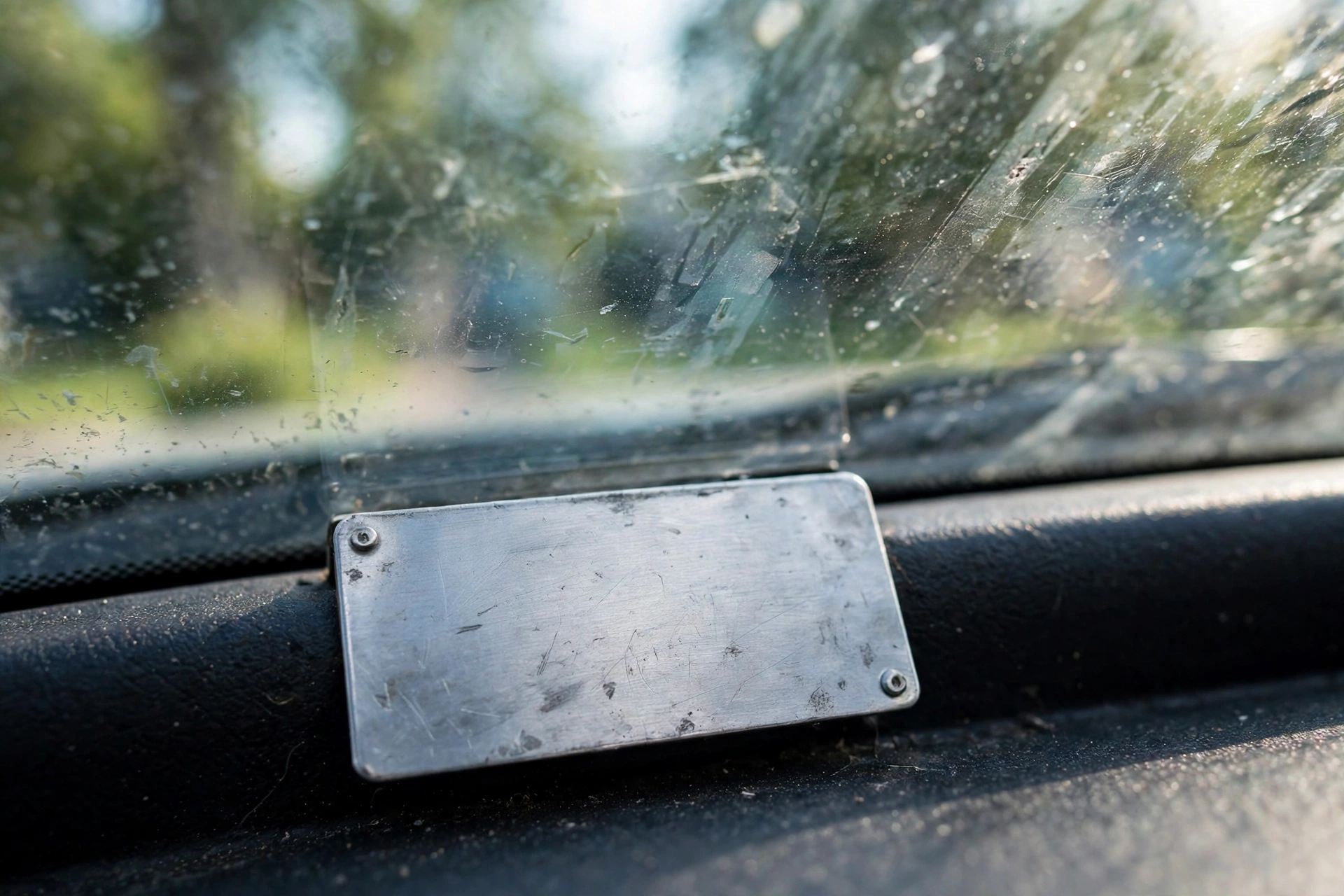
- Dashboard: Look through the windshield on the driver’s side, at the base of the dashboard. The VIN plate sits there on most cars.
- Driver’s door jamb: Open the driver’s door and look at the sticker on the door frame. It lists the VIN along with tyre pressures and build details.
- Registration, title, or insurance: Your VIN is printed on your registration card, your vehicle title, and most insurance documents.
- Under the hood: Some cars stamp the VIN on the engine block or the front of the frame.
Write it down carefully or take a photo. A single wrong character gives the wrong results, so double-check every digit before you search.
How to Check Car Recalls by VIN in 5 Minutes
Once you have your VIN, learning how to check car recalls by VIN takes only a few minutes. Follow these steps:
- Copy your VIN exactly. Use all 17 characters, with no spaces or dashes.
- Open the NHTSA recall lookup page at nhtsa.gov/recalls.
- Enter your VIN. Paste the number into the search box and submit it.
- Read the results. The page lists every open recall for your exact vehicle, with the defect and the risk described.
- Check the repair status. Each recall shows whether it is open or already fixed. If anything is open, book the free repair.
- Save or print the result for your records, especially if you plan to sell the car later.
That is the whole process. For a second opinion, repeat the search on the manufacturer’s own recall website, which sometimes lists recalls a few days before the NHTSA database.
5 Free Ways to Check Car Recalls by VIN
The NHTSA tool is the best starting point, but it is not the only free option. Here are five ways to learn how to check car recalls by VIN, and you can use more than one to be sure.
1. NHTSA Recall Lookup
The NHTSA recall lookup is the official US government tool and it is free. Enter your VIN at nhtsa.gov/recalls and you will see all safety recalls for your vehicle, going back up to 15 years. It also lets you search by year, make, and model if you do not have the VIN handy. If you only remember one thing about how to check car recalls by VIN, remember this tool.
2. Your Carmaker’s Recall Website
Every major carmaker runs its own recall lookup page. Search for your brand plus “recall lookup” and enter your VIN there. Manufacturer sites sometimes show recall details and repair booking options that the NHTSA page does not.
3. The SaferCar App
NHTSA’s free SaferCar app for iPhone and Android lets you save your VIN and get alerts when a new recall is issued for your car. If you want to know how to check car recalls by VIN without remembering to visit a website, this app is the answer. Set it up once and it does the watching for you.
4. Ask Your Dealer
Any franchised dealer for your car’s brand can run a recall check from your VIN in seconds, for free. Call the service desk or stop by with your registration. This is a good option if you are already visiting for a service or unsure about the online results.
5. Vehicle History Reports
Paid history reports from Carfax or AutoCheck include open recall information, and some offer a free basic VIN check. These reports are most useful when you are buying a used car, because they also show accidents, title problems, and mileage history. Never rely on one alone, though — always confirm with the NHTSA tool as well.
What to Do If Your Car Has an Open Recall
Finding an open recall is not a reason to panic, but it is a reason to act. Here is what to do:
- Call your dealer and book the repair. Recall repairs are always free, including parts and labour. The dealer cannot charge you for recall work.
- Ask about a loaner car. If the repair takes more than a day or the parts are not in stock, ask whether a loaner or rental is available.
- Do not ignore a serious recall. Airbag, brake, steering, and fuel-system recalls can be dangerous. If the notice says “do not drive,” follow that advice and ask the dealer about towing.
- Keep the paperwork. Save the recall notice and repair invoice. They prove the work was done and protect you if you sell the car later.
- Check again after the repair. Once the work is done, use what you learned about how to check car recalls by VIN and run the search once more to confirm the recall shows as completed.
Most recall repairs take a few hours at most. The hardest part is usually getting an appointment, so book as soon as you see the recall listed.
How to Check Car Recalls by VIN Before Buying a Used Car
Learning how to check car recalls by VIN is one of the most important steps when buying a used car, and it costs nothing. Before you hand over any money, ask the seller for the VIN and run it through the NHTSA tool. If the seller refuses to share it, walk away — that alone is a warning sign.
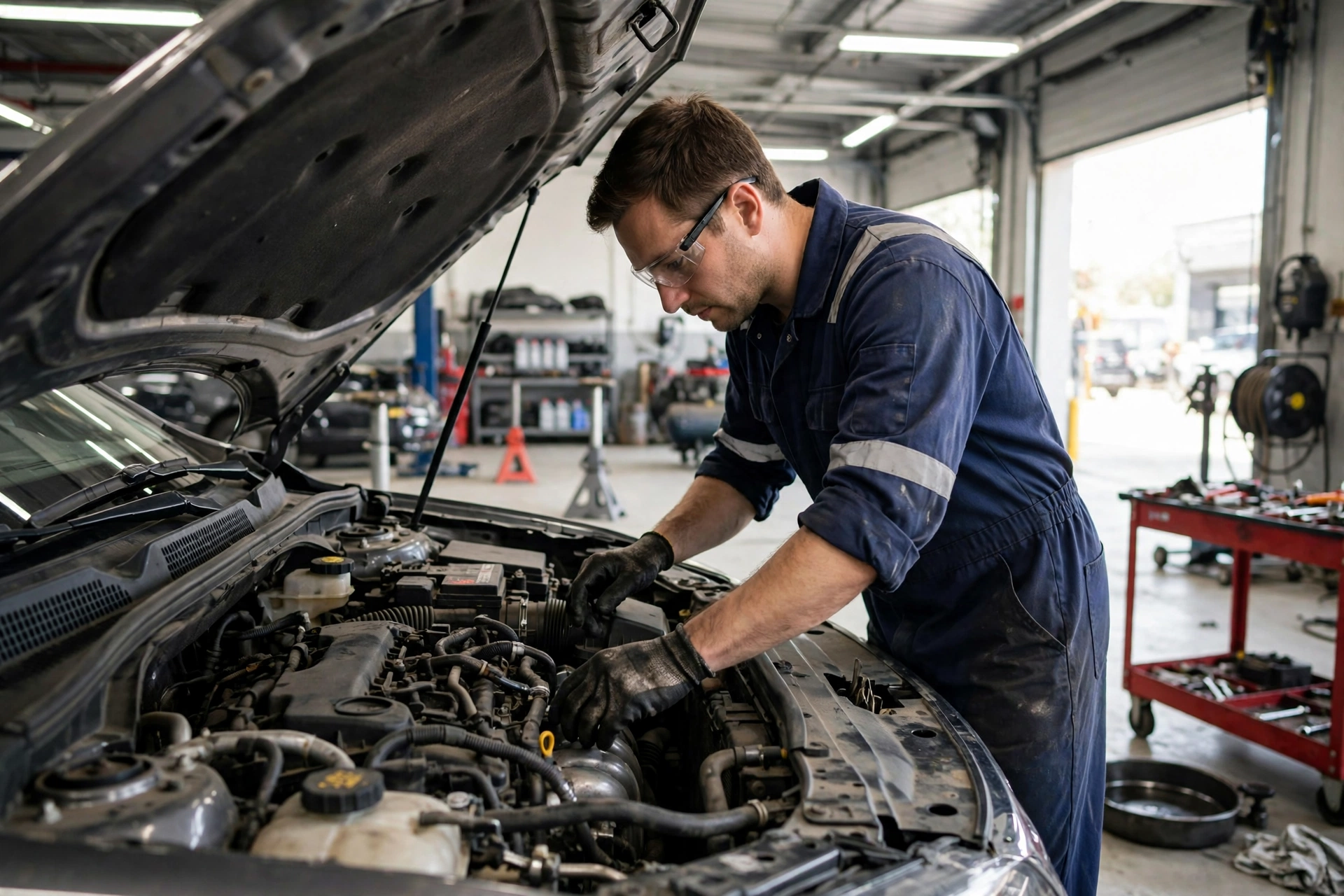
An open recall is not always a deal-breaker. The repair is free, so ask the seller to have it fixed before the sale, or plan the dealer trip yourself. What matters is knowing before you buy, not after. Combine the recall check with a full used car inspection checklist and a pre-purchase inspection by an independent mechanic. Read our advice on how to buy a used car safely before you sign anything, and first-time buyers can shortlist safe, reliable models in our roundup of the best used cars for first-time buyers.
Common Mistakes to Avoid
- Checking by model instead of VIN. Recalls often affect only some cars of a model year. A model search can miss a recall or flag one that does not apply to your car.
- Trusting the seller’s word. A private seller may genuinely not know about a recall. Always run the check yourself.
- Ignoring old recalls. A recall stays open until the repair is done, even years later. There is no expiry date on free recall repairs.
- Skipping the check on a new car. New cars can be recalled too, sometimes before they are even delivered. Check any car you buy, new or used.
- Forgetting to re-check. New recalls are issued all the time. Make the VIN check part of your routine, just like you prepare your car for winter each year or test your car battery at home before cold weather arrives.
Quick Summary
- A recall is a free safety repair issued by the carmaker or NHTSA.
- You can learn how to check car recalls by VIN in under a minute with the free NHTSA tool.
- Find your VIN on the dashboard, the driver’s door jamb, or your registration.
- If a recall is open, book the free repair at a franchised dealer as soon as you can.
- Always check the VIN before buying a used car, and re-check once a year.
Frequently Asked Questions
Is it free to check car recalls by VIN?
Yes. The fastest way to learn how to check car recalls by VIN costs nothing at all: the NHTSA recall lookup, manufacturer recall pages, and the SaferCar app are all free, and dealers run VIN recall checks for free too. You should never pay for a basic recall check.
How often should I check for recalls?
Check at least once a year, and again before any long road trip or whenever you buy a car, new or used. Setting up alerts in the SaferCar app means you will be told automatically when a new recall affects your car.
How long does a recall repair take?
Most recall repairs take between one and three hours, longer if the part is complex or needs ordering. Your dealer can give you a time estimate when you book, and recall work is always free.
Can I check recalls without a VIN?
Yes, you can search the NHTSA site by year, make, and model, but the results are less precise: a model search shows every recall for that model, including ones that may not apply to your car. That is why knowing how to check car recalls by VIN with the real number beats a model search every time.
Conclusion
Now you know how to check car recalls by VIN — find your 17-digit VIN, enter it into the free NHTSA recall lookup, and act on any open recall by booking the free repair at your dealer. It takes five minutes, costs nothing, and could prevent a serious accident. Check your car today, set up SaferCar alerts, and repeat the check every year or before you buy your next car.