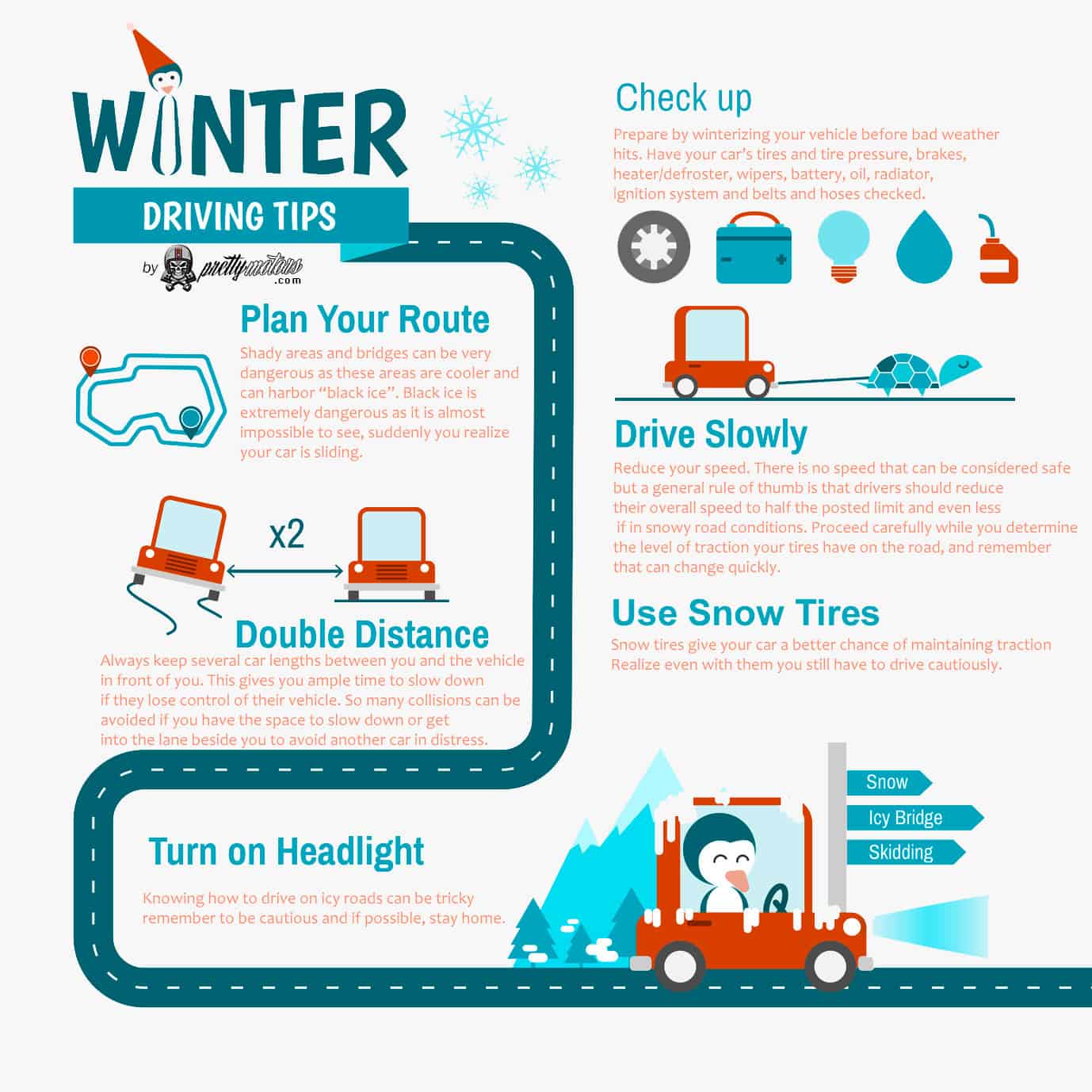
Winter driving tips for new drivers keep you safe when snow and ice cover the road. First-time snow drivers often slide off the road because they drive too fast or brake too hard.
The short answer is to slow down, leave a big space between cars, and turn on your headlights. You need to smooth out all your moves so your tires do not lose their grip on the ice.
How to Prep Your Car Before You Drive in Snow
Cold weather drains your car battery fast. Check your battery health before the first big freeze hits your town. A new battery usually costs around one hundred dollars, but it saves you from getting stuck in the cold.
Your tires need good tread to bite into snow. If your tread is low, you will slide right through red lights. You can check your tread depth with a simple coin test. Put a coin in the grooves, and if you see the top of the head, you need new rubber.
Clear all the snow off your roof before you drive away. Loose snow flies off your car and blinds the driver behind you. Police in many towns will pull you over and give you a ticket for uncleared snow.
Keep an emergency kit in your trunk. Pack a warm blanket, a small shovel, and a bag of sand for traction if you get stuck. You might also want to read about Why Fuel Economy Drops So Much At 75 MPH to understand how cold air affects your engine.

What Are the Best Driving Tips for Snow?
Drive like you have a cup of hot coffee on your lap. Do not make any sudden turns or stamp on the gas pedal. Smooth moves keep your tires connected to the pavement.
Leave at least four times more space than normal between your car and the vehicle ahead. Stopping takes much longer on ice than on dry asphalt. If the car in front of you slides, you need plenty of room to stop safely.
Turn on your headlights so other drivers can see you through the blowing snow. Do not use your high beams because they bounce off the snow crystals and blind you. Stick to your low beams for the best view.
Watch out for black ice on bridges and shady spots. The road looks wet, but it is actually a sheet of slick ice. You can learn more about how a basic Service (motor vehicle) keeps your brakes ready for winter hazards.
How to Stop Without Skidding
Braking on ice makes your wheels lock up and slide. Press the brake pedal softly and early. Do not jam your foot down unless you want to lose control.
If your car starts to slide, do not panic and slam on the brakes. Turn your steering wheel toward the direction you want the front of the car to go. This is called steering into the skid.
Modern cars have anti-lock brakes that pulse the brakes for you. If you feel the brake pedal push back against your foot, keep pressing it down firmly. Do not let up on the pedal.
If your wheels start to spin while you are parked in a snow drift, do not press the gas hard. You will just dig a deeper hole for your tires. Rock the car back and forth between drive and reverse gently.
What to Do If You Get Stuck
Stay with your car if you get stuck in a major snowstorm. Your car keeps you visible to snowplows and protects you from the freezing wind. Turn your engine on for ten minutes every hour to stay warm, but make sure your tailpipe is clear of snow so gas does not leak inside.
Tie a bright cloth to your antenna or door handle. This tells rescue workers that someone is inside the vehicle. Keep your dome light on at night so people can spot you easily.
Clear snow away from the tires and put sand or cat litter under them. This gives your tires something to grip so you can drive out of the snow bank. Always check your car maintenance checklist before winter weather arrives to avoid breakdowns.
If you have to walk for help, stay close to the road. Deep snow makes walking very hard, and you can get lost quickly in a heavy snow flurry. Wait for a police car or a tow truck if you are on a busy highway.
How to Handle Low Visibility and Bad Weather
Heavy snow makes it hard to see the lines on the road. Look at the tail lights of the car ahead of you to stay in your lane. Do not stare at the snowflakes falling in your headlights because it will make you dizzy.
Slow down when you cross over bridges and highway ramps. These parts of the road freeze long before the normal streets do. A patch of ice on a bridge can spin your car around in one second.
Watch out for road salt trucks working on the highway. Stay far behind them and never try to pass a plow on the right side. They push all the heavy snow and ice to the shoulder.
Every driver needs to know how weather changes Fuel economy in automobiles during cold months. Your engine burns more gas when it runs cold and fights through thick snow piles.
Take your time on every winter trip you make this season. Rushing is the main reason drivers crash when the snow starts to fall. You can also review Why Fuel Economy Drops So Much At 75 MPH to keep your driving habits smart all year long.
Winter driving gets easier the more you practice in an empty parking lot. Go out when the snow is fresh and test how your car stops at low speeds. Stay safe out there and keep your eyes on the road ahead.
How to Check Your Fluids for Cold Weather
Your car needs the right liquids to run smoothly when the temperature drops. Cold air turns old fluids thick like honey, which makes your engine work much harder. Check your oil level using the dipstick under the hood before winter storms arrive.
Top off your windshield washer fluid with a winter blend that will not freeze up on your glass. Regular water will turn into a solid block of ice inside the tank and crack the plastic container. Keep an extra jug of washer fluid in your trunk so you can spray away road salt while you drive.
Check your coolant level to make sure your engine does not freeze from the inside out. A mix of water and antifreeze keeps your motor cool in summer and warm in winter. If you are not sure how to test your coolant, stop by a local shop for a quick check.
Essential Winter Gear to Pack in Your Vehicle
Being prepared means you can handle minor winter emergencies without panicking. Pack a few useful items in your car so you are ready for anything the weather brings.
- A sturdy ice scraper and a long brush to clear your windows and roof
- A pair of thick waterproof gloves to keep your hands warm while you dig out
- A flash light with fresh batteries so you can see in the dark
- A portable phone charger to keep your device powered up for calls
- A few protein bars and bottled water in case you wait a long time for a tow truck
Check your gear at the start of each month to make sure everything works properly. A prepared driver stays calm and safe all winter long.
One thought on “Winter Driving Tips for New Drivers”