

Learning how to negotiate used car price is one of the most valuable skills a car buyer can have. Most used cars are listed above what the seller actually expects to receive, which means the sticker price is a starting point, not a final answer. With a little research, a calm approach, and a clear walk-away number, most buyers can save hundreds — sometimes over a thousand dollars — on the same car.
Table of Contents
The good news is that you do not need to be pushy or confrontational to get a better deal. Knowing how to negotiate used car price is really about preparation: understanding what the car is worth, spotting the flaws that justify a lower offer, and staying polite while holding your ground. This guide walks you through the whole process, step by step, whether you are buying from a dealer or a private seller.
Why Dealers Expect You to Negotiate
Used car pricing is rarely fixed. Dealers build a margin into the asking price because they expect buyers to haggle, and private sellers often list high so they have room to come down. Paying the full asking price usually means overpaying, which is why knowing how to negotiate used car price matters on every used car you buy.
There is another reason negotiation works: sellers want the sale. A car sitting on a lot costs a dealer money every day, and a private seller usually wants the car gone. That is exactly why learning how to negotiate used car price pays off before you ever set foot on a lot. Your job is to find a price that works for both sides — and that price is almost always below the number on the windshield.
How to Negotiate Used Car Price Step by Step
Follow these steps in order, and you will walk into any negotiation with confidence.
1. Research the car’s fair market value
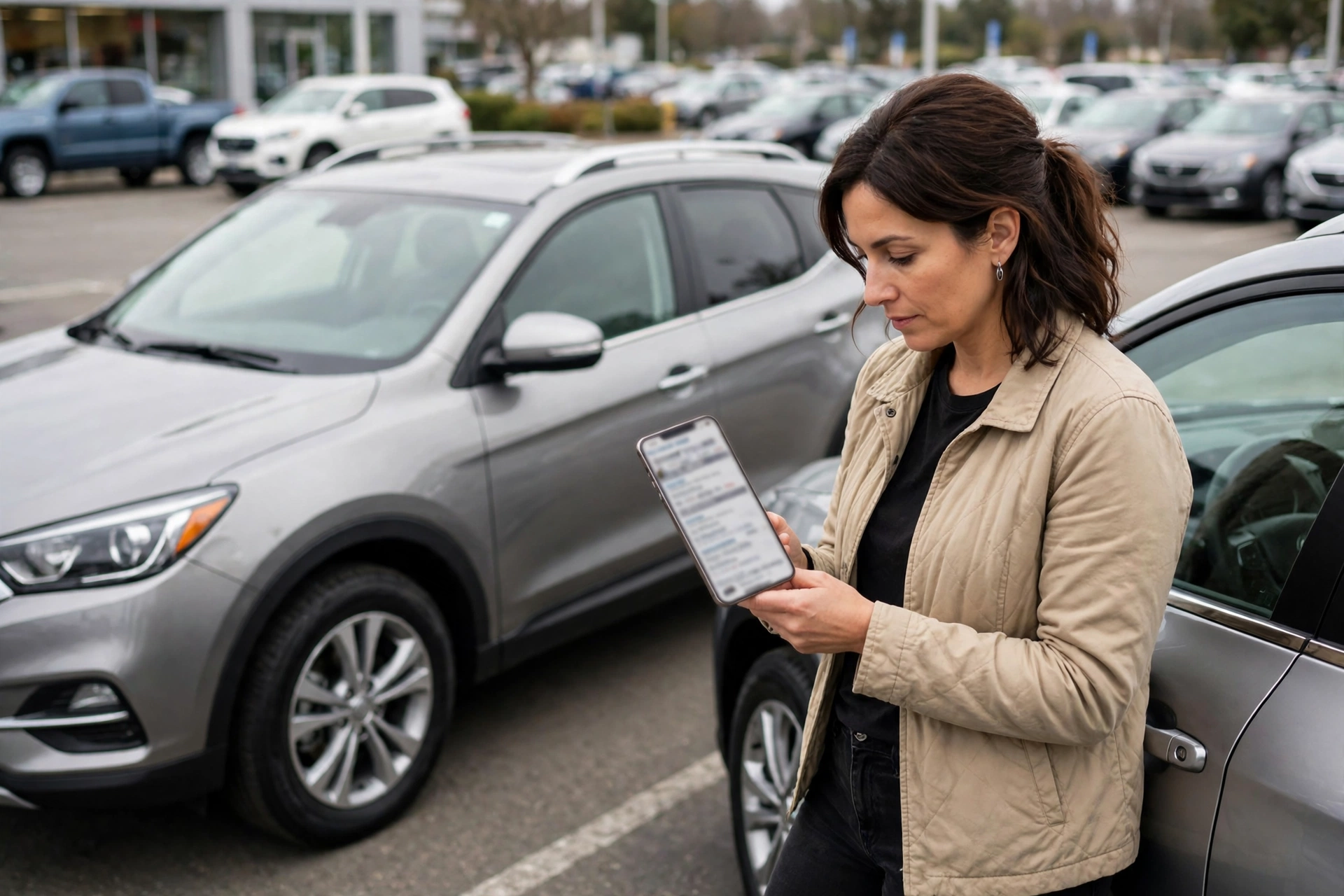
Before you talk numbers with anyone, find out what the car is actually worth. Check pricing guides such as Kelley Blue Book and Edmunds, and look at similar cars for sale in your area. Pay attention to the year, mileage, trim level, and condition, because all of these change the value.
Write down three numbers: the average private-party value, the average dealer retail value, and the lowest comparable listing you can find. These numbers become your anchor. When you know how to negotiate used car price from a position of facts, the seller cannot bluff you with an inflated figure.
2. Inspect the car and find your leverage
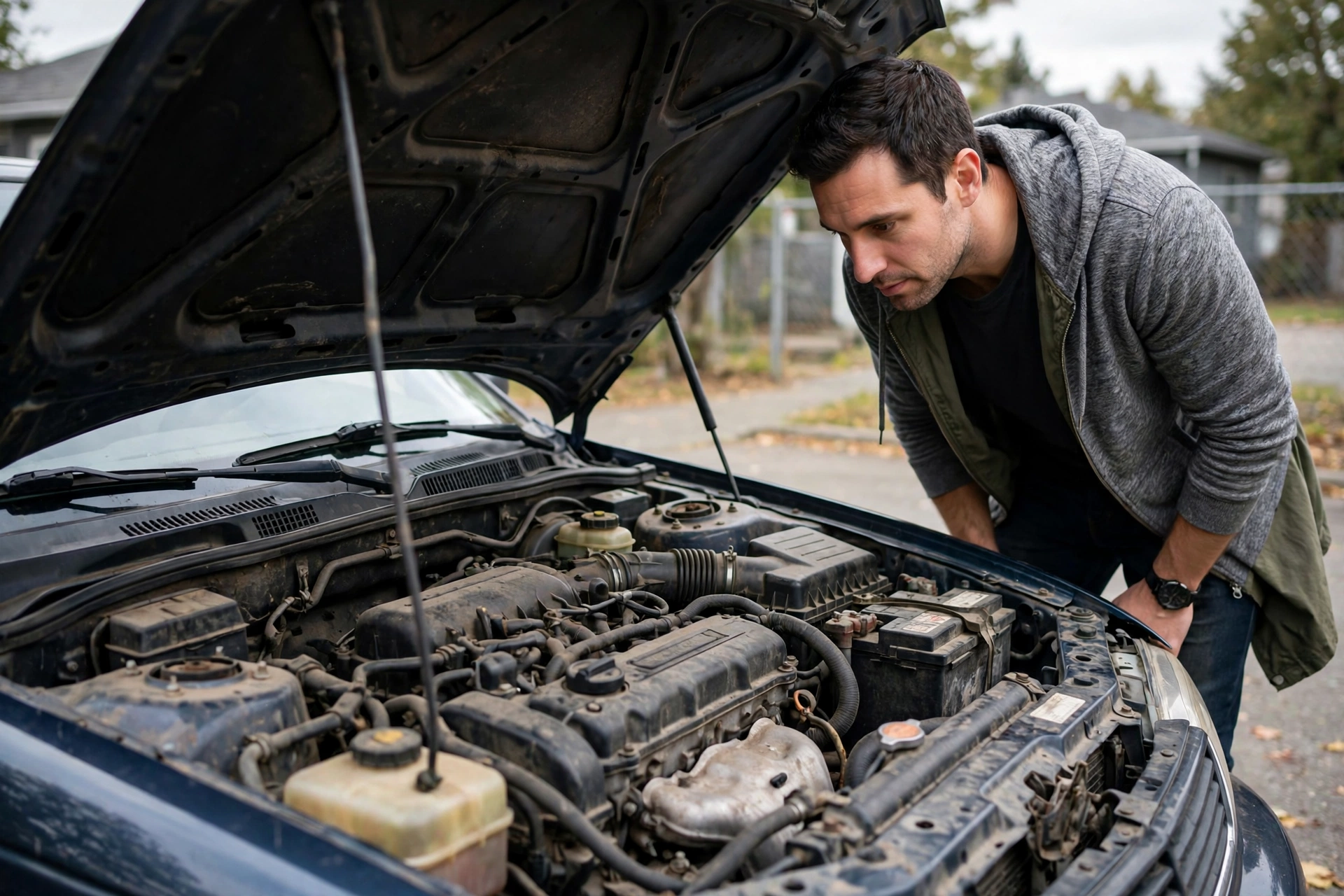
Every used car has flaws, and every flaw is a negotiating point. Take the car for a thorough inspection before you make an offer — or better, pay a trusted mechanic for a pre-purchase inspection, which typically costs $100 to $200 and can save you far more.
Look for worn tyres, scratches and dents, a weak battery, worn brakes, and any warning lights on the dashboard. Note the cost of each repair. If the car needs $400 worth of new tyres, that is $400 off your offer, with the estimate to back it up. Our Used Car Inspection Checklist covers 25 things to check before you buy.
3. Set your maximum price — and your walk-away price
Decide the most you are willing to pay before you start talking. This is your ceiling. Then set a target price a little below it — the number you will open with. Having these two numbers written down keeps you from getting carried away in the moment.
The most powerful tool in any negotiation is your willingness to walk away. If the seller will not meet a fair price, you can leave, and that is fine. There will always be another car. Sellers can sense when a buyer has no fallback, so keep your options open and never fall in love with one car.
4. Make your first offer below your target
Start lower than the price you hope to pay, but stay reasonable. An offer far below market value will be dismissed, while a fair but firm opening offer starts a real conversation. A good rule is to open about 10 to 15 percent below the asking price, or at the fair market value you researched, whichever is lower.
State your offer calmly and explain it: “Based on comparable cars in the area and the new tyres it needs, I can offer $X.” Giving a reason makes your offer feel fair rather than random. This is the heart of how to negotiate used car price: a fair offer, explained calmly, followed by silence while the seller responds.
5. Negotiate the total price, not the monthly payment
Dealers often steer the conversation toward monthly payments because they can stretch the loan term to make any price look affordable. Always negotiate the out-the-door price — the total including taxes and fees — before discussing financing. This is a key part of how to negotiate used car price well: agree the total first, then talk about payments. Ask for an itemised breakdown of every fee, and question anything that looks like padding, such as dealer preparation charges or paint protection you never asked for.
6. Get everything in writing
Once you agree on a price, get it in writing before you sign anything or hand over money. The final step in how to negotiate used car price is protecting the deal you just made. The written agreement should list the price, any repairs the seller promised to make, and the fees included. If a promise is not in writing, assume it does not exist.
Negotiation Tactics That Actually Work
Once you know the steps, these tactics show how to negotiate used car price even more effectively:
- Shop at the end of the month. Dealers work to monthly sales targets, so they are often more flexible in the last few days of the month. A car that has been listed for weeks is also harder to defend at full price.
- Bring comparable listings. Showing the seller three similar cars listed for less is hard to argue with.
- Negotiate one thing at a time. Settle the car price first, then discuss your trade-in separately, and financing last. Bundling everything together hides the real numbers.
- Stay friendly and patient. A calm buyer who is pleasant to deal with gets further than an aggressive one. Take your time, and do not be afraid of a long pause.
- Use competing offers. If another dealer has a similar car for less, say so. Sellers take you more seriously when they know you have options.
Used together, these tactics turn a fair price into a great one — that is how to negotiate used car price like a buyer who has done it before.
Mistakes to Avoid When Negotiating
Even buyers who understand how to negotiate used car price can still trip up. Watch out for these common errors:
- Revealing your budget too early. If the seller knows you can pay $15,000, the price will not drop below $15,000.
- Negotiating against yourself. If the seller counters, do not immediately raise your offer again without hearing their reasoning. Small, slow moves show confidence.
- Falling for pressure tactics. “Another buyer is coming at 3 o’clock” is a classic line. If the car sells, it sells — there are other cars.
- Skipping the inspection. A car that looks clean can hide expensive problems. Never agree a final price before you know the car’s real condition.
- Focusing only on price. A lower price with a bad loan or hidden fees can cost you more overall. Look at the whole deal.
Negotiating with a Private Seller vs a Dealer
The basics of how to negotiate used car price are the same in both cases, but the approach differs. Private sellers are often more flexible on price because they want a quick, simple sale, and they usually have no sales targets or overhead. They may also be emotionally attached to the car, so be respectful about its flaws — point them out factually rather than criticising the car.
Dealers, on the other hand, have more room to move on extras: they can throw in a warranty, a service, or new tyres instead of dropping the price further. If a dealer will not budge on price, ask what else they can include. And remember, with a dealer you are negotiating with a professional — stay polite, but do not let friendliness push you past your ceiling.
Quick Summary
If you remember nothing else about how to negotiate used car price, remember these points:
- Research the car’s fair market value before you negotiate.
- Inspect the car and price every flaw you find.
- Set a maximum price and a walk-away point before you talk numbers.
- Open below your target, explain your offer, and negotiate the total out-the-door price.
- Get the agreed price in writing before signing anything.
- Stay calm, friendly, and ready to walk away — that is your strongest position.
Frequently Asked Questions
How much can you negotiate off a used car price?
Most buyers can negotiate 5 to 15 percent off the asking price, depending on the car’s condition, how long it has been listed, and local demand. That range is realistic when you know how to negotiate used car price and have done your research. Cars that need repairs or have been sitting unsold for weeks usually have more room to move.
What is a good first offer on a used car?
A good first offer is usually 10 to 15 percent below the asking price, or at the fair market value shown by pricing guides, whichever is lower. Support your offer with comparable listings and the cost of any repairs the car needs.
Should you negotiate a used car price by email or in person?
Starting by email or phone can work well, because it lets you compare prices without pressure. Knowing how to negotiate used car price by email first can also give you a written record of the agreed figure. But the final negotiation usually happens in person, after you have inspected the car. Never agree to a final price before seeing the car yourself.
Is it rude to negotiate a used car price?
No. Negotiation is a normal, expected part of buying a used car, and sellers build room for it into their asking price. Being polite, factual, and reasonable is not rude — it is simply how to negotiate used car price the smart way.
How do you negotiate a used car price with no haggling experience?
Prepare well and you will be fine. Research the market value, inspect the car, set your maximum price, and make a calm, reasoned first offer. If the seller says no, thank them and be ready to walk away. The more you practise how to negotiate used car price, the easier it gets.
Conclusion
Now you know how to negotiate used car price with a clear plan instead of guesswork. Research the value, inspect the car, set your ceiling, and make a calm, reasoned offer. Remember that the asking price is a starting point, and that walking away is always an option. With patience and preparation, you can drive away in a car you love at a price you can feel good about — and that saving is worth every minute you spent preparing.
If you are still choosing which car to buy, our guides to the Best Used Cars Under $5000, the Best Used Cars Under $15000, and the Best Used Cars for First-Time Buyers can help you shortlist reliable options before you start negotiating. And if you are buying privately, read How to Buy a Used Car Safely Without Getting Scammed first.
[…] where most mistakes happen, so use the checklist in this guide and take your time. It also helps to negotiate the price before you talk paperwork, so read our guide on how to negotiate the price with […]
[…] hours of haggling over the sticker price. If you are also working on the price itself, our guide on how to negotiate used car price shows how to bring the cost down from the other […]
[…] just like the car’s price. A lower price means lower payments either way. See our guide on how to negotiate used car price for tactics that work on new cars […]