
Yes, you can buy a dependable car for under $5,000 — but the best used cars under $5000 are rarely the cheapest ones on the lot. At this price, condition matters far more than the badge on the grille. A well-maintained older sedan with a clean history will usually serve you far better than a newer car that has been neglected, crashed, or patched up cheaply.
This guide explains which cars tend to hold up best at this budget, where to find them, what to check before you hand over any money, and what the real cost of a $5,000 car looks like once insurance and repairs are included.
What to Expect From a Car Under $5000
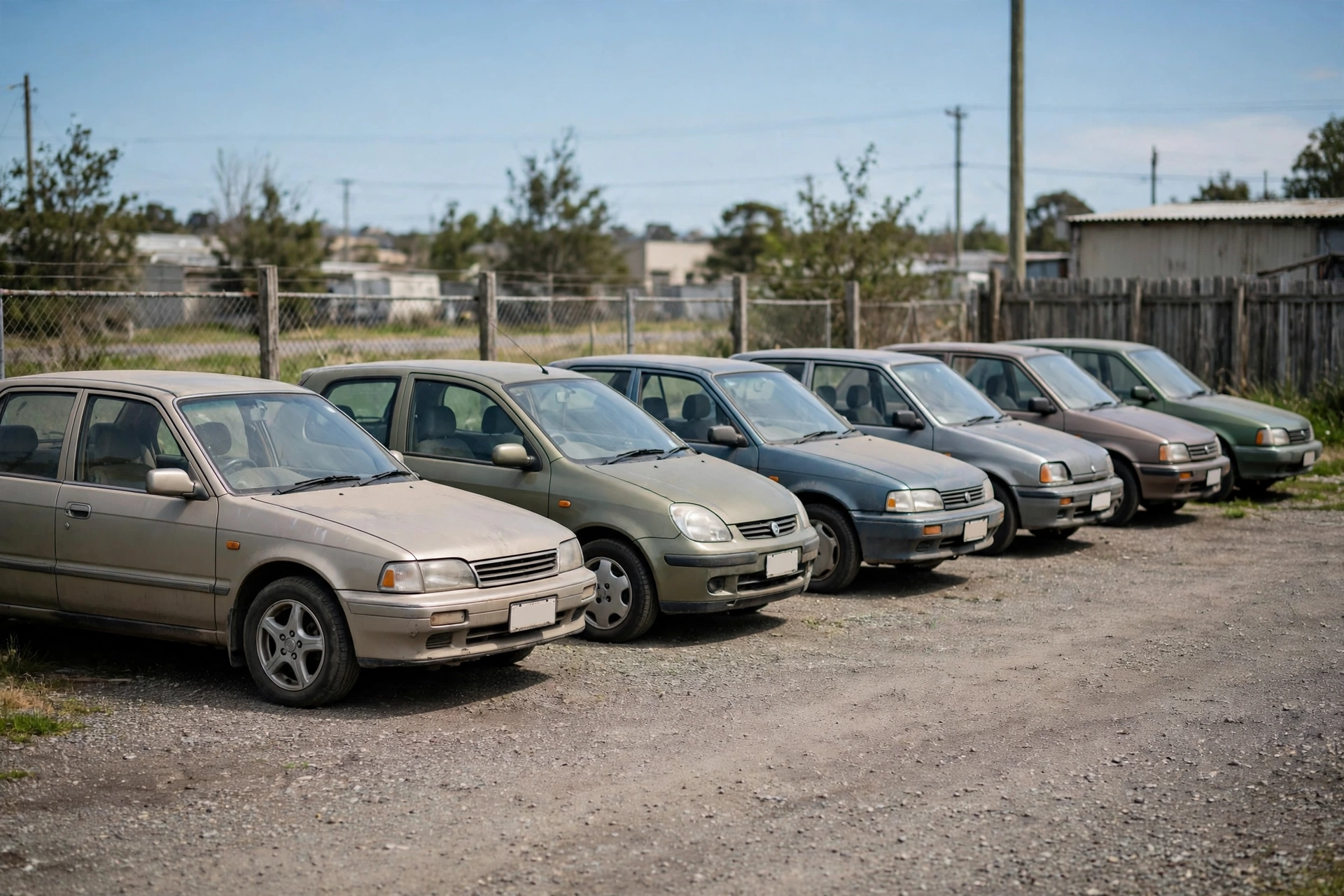
Set your expectations honestly before you start shopping. Most cars in this price range are roughly 10 to 15 years old and have covered well over 100,000 miles. That does not mean they are worn out — many well-built cars are designed to last far longer — but it does mean you should expect some wear and budget for maintenance.
Here is what a realistic $5,000 car looks like:
- Age: Usually a model from the early 2010s or late 2000s, sometimes older for trucks and larger cars.
- Mileage: Often between 100,000 and 180,000 miles. A car with lower mileage but no service history is not automatically a better buy.
- Condition: Expect small cosmetic flaws — faded paint, worn seats, a few scratches. Mechanical soundness matters far more than looks.
- Features: Basic safety equipment is standard, but do not expect modern driver aids, a touchscreen, or a reversing camera.
The cars that work best at this budget are simple ones: fewer complex systems means fewer expensive things to go wrong. A basic four-cylinder sedan with a proven engine is usually a smarter choice than a high-performance or luxury model of the same age.
The Best Used Cars Under $5000
No single car is right for everyone, but a few models show up again and again on lists of the best used cars under $5000 because they are cheap to run, easy to repair, and known for lasting a long time when serviced regularly. Look for examples with a documented service history and no accident damage.
Compact Sedans: Toyota Corolla and Honda Civic
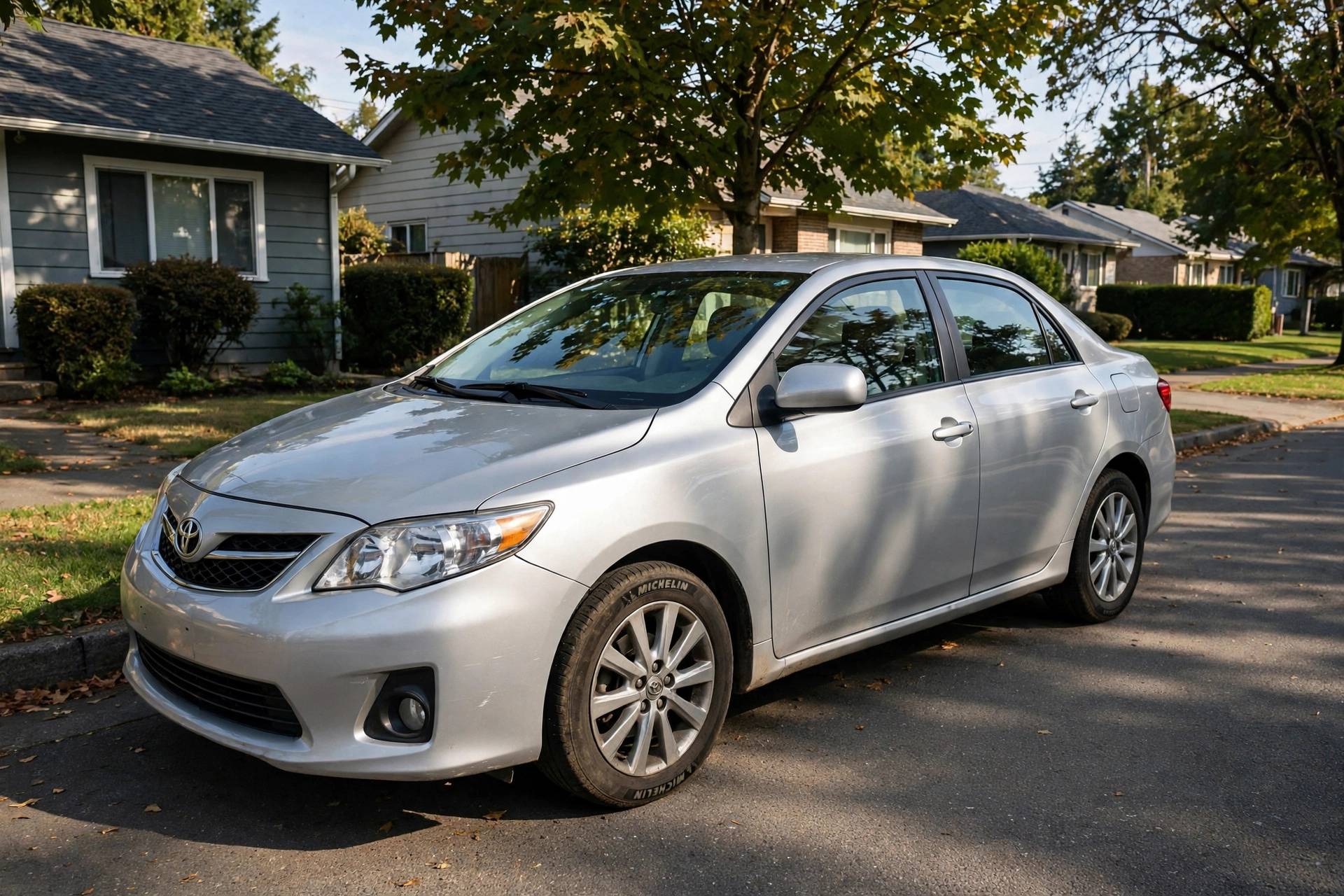
The Toyota Corolla and Honda Civic are the default answers for a reason. Both have been built in huge numbers for decades, so parts are cheap and almost any mechanic knows how to work on them. Their four-cylinder engines are simple and durable, and fuel economy is strong even on older models.
At this budget you will mostly find Corollas and Civics from the late 2000s and early 2010s. Check the air conditioning, the clutch on manual versions, and the condition of the suspension. A clean, one-owner example with service records is worth paying a little more for.
Midsize Sedans: Toyota Camry and Honda Accord
If you want more space and comfort, the Toyota Camry and Honda Accord are excellent choices. They offer roomy back seats, large trunks, and a smooth ride, which makes them good family cars and long-distance commuters.
Four-cylinder versions are the best bet at this price because they are cheaper to run and simpler to maintain. Check that the automatic transmission shifts smoothly and that the engine does not burn oil excessively — a common issue on high-mileage examples of any brand.
Practical Hatchbacks: Mazda3 and Honda Fit
The Mazda3 and Honda Fit are smart picks if you want a car that is easy to park, cheap to fuel, and surprisingly roomy. The Fit in particular has a clever folding rear seat that swallows far more cargo than its size suggests.
These cars are popular with first-time buyers and city drivers. When inspecting one, look for rust around the wheel arches and underneath the car, and listen for worn wheel bearings on a test drive.
Affordable SUVs and Trucks: Older Honda CR-V and Toyota RAV4
If you need all-wheel drive or extra ground clearance, older Honda CR-V and Toyota RAV4 models are among the best used cars under $5000 for the job. They are practical, reliable, and hold their value well.
Be aware that trucks and SUVs in this price range are often worked harder than sedans. Check the four-wheel-drive system, the condition of the frame for rust, and whether the car has been used for towing. A pre-purchase inspection is especially important here.
Where to Find the Best Used Cars Under $5000
Where you shop matters almost as much as what you buy. Each source has its own trade-offs.
- Private sellers: Usually the lowest prices, and you can talk directly to the owner about the car’s history. There is no warranty, so inspection matters most.
- Independent used-car dealers: More choice in one place, and some offer a short warranty. Prices are higher, and you should still get an independent inspection.
- Online marketplaces: A wide selection and easy price comparison. Watch out for listings with vague descriptions, stock photos, or sellers who pressure you to pay before seeing the car.
- Auctions: Sometimes the cheapest cars, but usually sold as-is with no chance to test drive. Best left to experienced buyers.
Whatever the source, never buy a car you have not seen in person and driven. Our guide on how to buy a used car safely explains the most common scams and how to avoid them.
What to Check Before You Buy
A $5,000 car can be a bargain or a money pit, and the difference is usually found in a careful inspection. Before you pay, work through these checks:
- Service history: Ask for receipts and records. Regular oil changes and timing belt replacements are good signs.
- Title and history report: Check the VIN for accident damage, salvage or flood titles, and outstanding finance. Never buy a car with a title problem you do not fully understand.
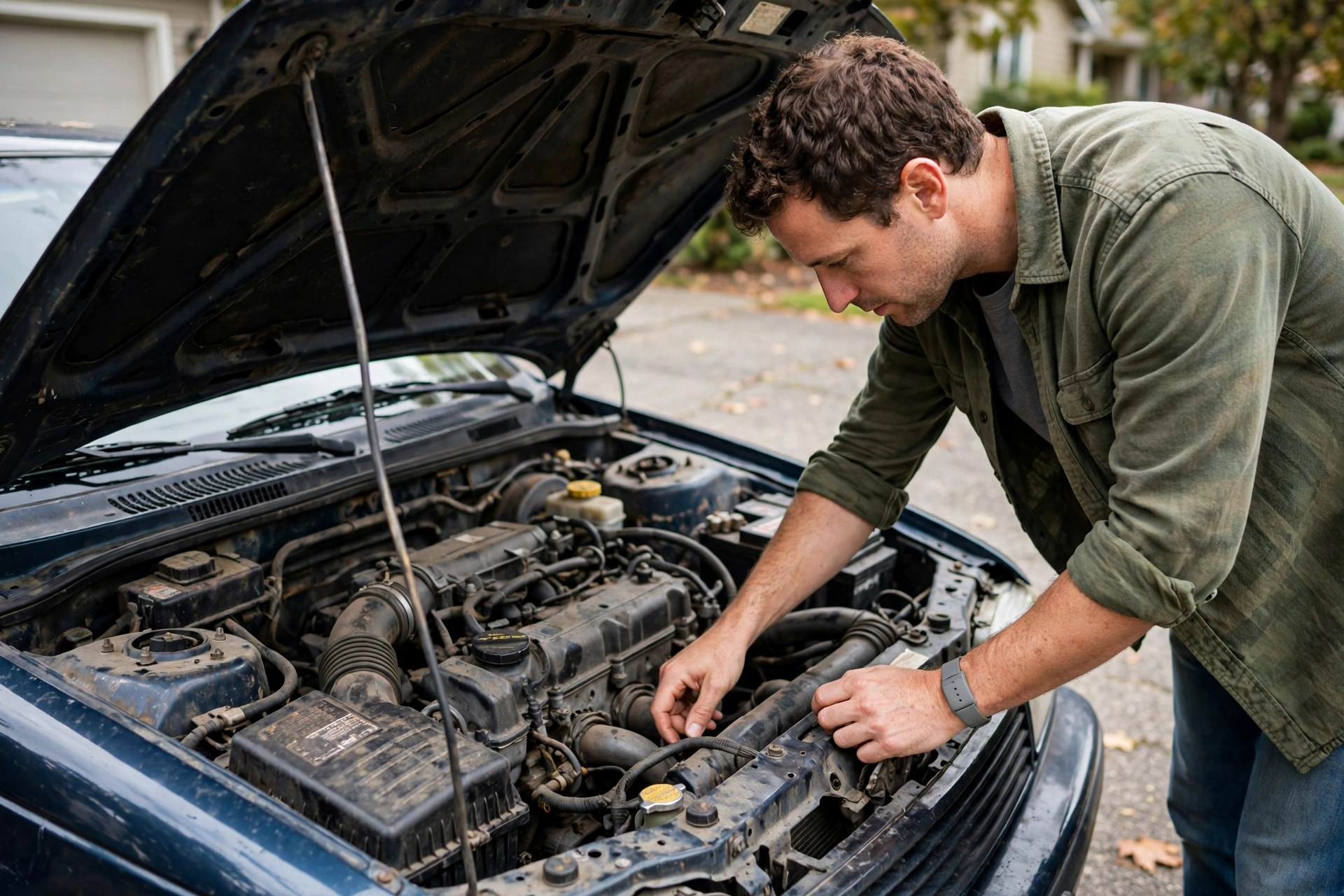
- Under the hood: Look for oil leaks, cracked hoses, and a battery in poor shape. Watch for car battery warning signs such as slow cranking or a swollen case.
- Tyres and brakes: Uneven tyre wear can point to suspension or alignment problems. Check the tread depth and the age of the tyres.
- Test drive: Drive at city and highway speeds. Listen for grinding, knocking, or whining, and check that the car tracks straight and brakes evenly.
- Pre-purchase inspection: Pay a trusted mechanic for an independent inspection. It usually costs far less than one major repair, and it can reveal problems a seller has not mentioned.
For a full step-by-step walkthrough, use our used car inspection checklist — it covers 25 things to check before you buy.
The Real Cost of a $5000 Car
The purchase price is only the start. A realistic budget for a car bought for $5,000 looks more like this:
- Purchase price: Up to $5,000.
- Pre-purchase inspection: A modest one-off cost that can save you far more later.
- Taxes, title and registration: These vary by state, so check your local fees before you buy.
- Insurance: Get quotes before you buy. Older cars are often cheap to insure, but rates vary widely by model and driver.
- First service: Budget for an oil change, filters, and possibly new tyres or brakes soon after purchase.
- Repair reserve: Keep some money aside for the first year. Even a good $5,000 car may need a repair in its first few months.
As a rule of thumb, plan to spend roughly 10 to 20 percent of the purchase price on immediate servicing and small repairs. A car that needs nothing on day one is a bonus, not an expectation.
Cars to Be Cautious About
Not every cheap car is a good deal. Be extra careful with:
- Luxury cars with low prices: A cheap luxury car usually means expensive parts, complex electronics, and specialist labour.
- Salvage or rebuilt titles: These cars can be fine, but they are hard to insure and resell, and hidden damage is common.
- Cars with no history at all: A seller who cannot explain where the car came from is a warning sign.
- Modified cars: Engine swaps, lowered suspension, and aftermarket turbo kits can hide abuse and make repairs harder.
If you are buying a first car for a teenager, our guide to safe used cars for teen drivers under $10,000 covers safety features that matter more than speed or style.
Quick Summary
- The best used cars under $5000 are usually simple, well-maintained sedans and hatchbacks from Toyota, Honda, and Mazda.
- Condition and service history matter more than age or mileage alone.
- Always inspect the car in person, drive it, and pay for an independent pre-purchase inspection.
- Check the title, history report, and VIN for accident, salvage, or flood damage.
- Budget beyond the purchase price for insurance, registration, servicing, and a repair reserve.
- Avoid cheap luxury cars, salvage titles, and cars with no history.
Frequently Asked Questions
Can you get a reliable car for under $5000?
Yes. Many Toyotas, Hondas, and Mazdas from the late 2000s and early 2010s are still dependable daily drivers at this price, provided they have been serviced regularly and pass an independent inspection.
What is the best used car under $5000 for a first-time buyer?
For most first-time buyers, a Toyota Corolla or Honda Civic is the safest choice. They are affordable to buy, cheap to insure and repair, and easy to drive. A pre-purchase inspection is still essential.
How many miles is too many on a $5000 car?
There is no single limit. A car with 150,000 miles and a full service history is often a better buy than one with 90,000 miles and no records. What matters is how the car was maintained and how it performs on inspection and a test drive.
Should I buy from a dealer or a private seller?
Private sellers are usually cheaper, while dealers offer more convenience and sometimes a short warranty. Either way, get an independent inspection and check the car’s history before you pay.
Is it worth getting a pre-purchase inspection on a $5000 car?
Yes. The inspection costs a small fraction of the car’s price and can reveal expensive problems — such as transmission faults or rust — that are easy to miss. It is the best money you will spend in the whole buying process.
Conclusion
Finding the best used cars under $5000 comes down to patience and discipline: choose a proven, simple model, verify its history, inspect it properly, and keep a reserve for the first service. Do that, and a $5,000 car can give you years of dependable, affordable driving — without the monthly payments that come with a newer car.
Before you buy, check the car’s recall status on the NHTSA recall lookup using its VIN, and run through our inspection checklist one more time. A little homework now saves a lot of money later.