
Should you lease vs buy a car? The short answer is that leasing usually costs less each month and lets you drive a newer car every few years, while buying costs more upfront but saves you money over the long run and leaves you with a car you own outright.
Table of Contents
The right choice depends on how much you drive, how long you plan to keep the car, and whether you value a low monthly payment or long-term ownership more. This lease vs buy a car guide walks you through the decision step by step — payments, total cost, mileage limits, repairs, and flexibility — so you can pick the option that fits your budget and your life.
What Does It Mean to Lease a Car?
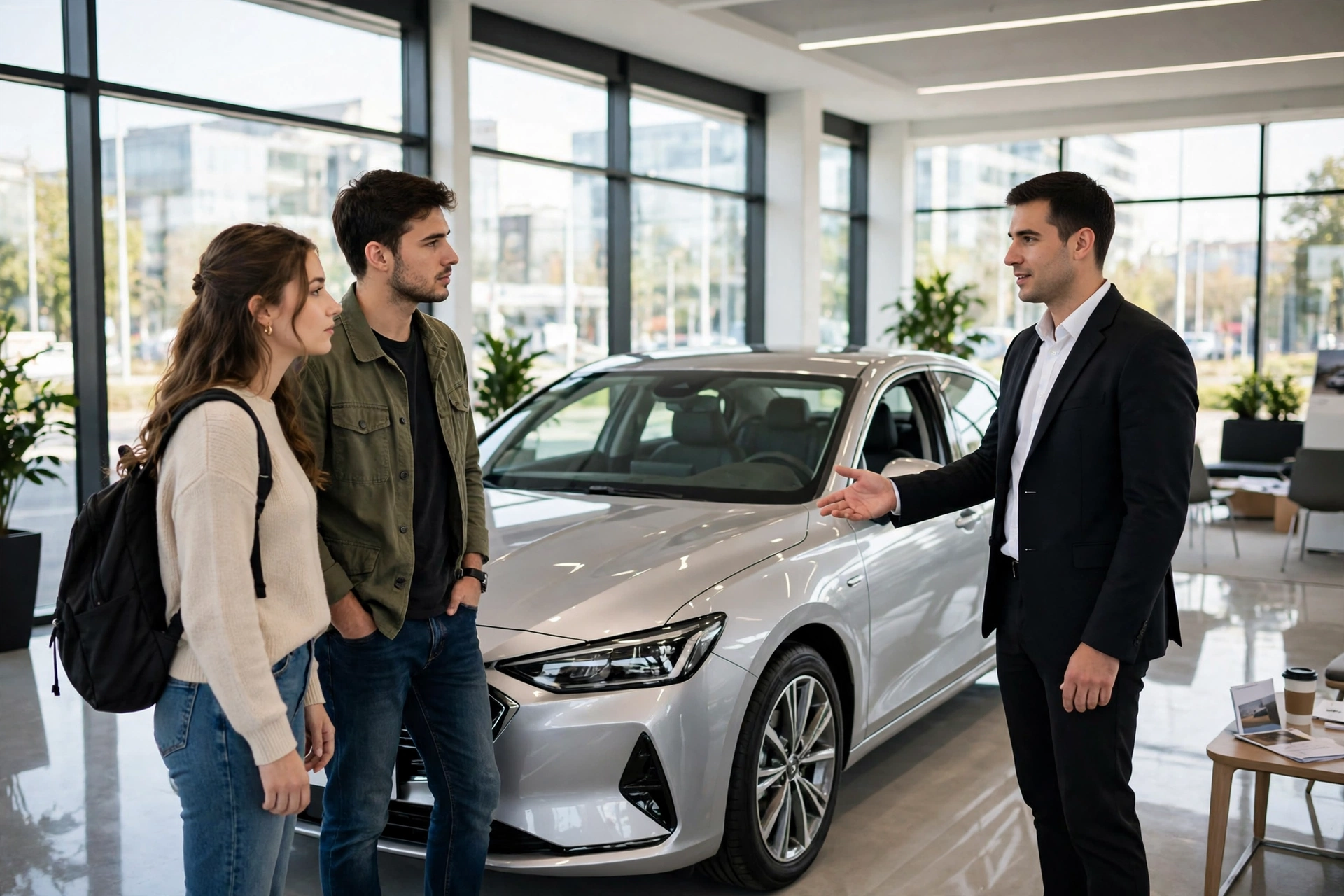
Understanding the lease vs buy a car choice starts with knowing what each option really means. When you lease a car, you pay to use it for a fixed period, usually two to four years. You never own the car. At the end of the lease, you return it to the dealer, or sometimes you can buy it for a price set in the contract, called the residual value.
The Federal Trade Commission explains the key differences between buying and leasing a car.
A lease works a lot like a long-term rental. Your monthly payment covers the car’s depreciation during the lease term, plus interest and fees. Because you only pay for part of the car’s value, lease payments are usually much lower than loan payments for the same car.
Most leases come with a mileage limit, often 10,000 to 12,000 miles per year. If you drive more than the limit, you pay an extra charge for every mile over, usually 15 to 25 cents per mile. Leases also expect you to return the car in good condition, so dents, stains, and heavy wear can cost you extra at turn-in.
What Does It Mean to Buy a Car?
The other side of the lease vs buy a car decision is ownership. When you buy a car, you pay for the full price, either in cash or with an auto loan. Once the loan is paid off, the car is yours. You can keep it as long as you like, sell it, trade it in, or give it away.
Buying usually means a larger down payment and higher monthly payments than leasing the same car. But every payment builds equity. After a few years, you own an asset that still has value, and once the loan ends, your monthly car cost drops to just fuel, insurance, and maintenance.
When you own a car, there are no mileage limits and no penalties for wear and tear. You can modify it, drive it across the country, and keep it for 10 or 15 years if you want.
Lease vs Buy a Car: The Monthly Payment Difference
Monthly cost is the first thing most buyers compare, and this is where leasing looks most attractive. This is also the part of the lease vs buy a car comparison that surprises most shoppers. A lease payment on a $35,000 car might be around $350 to $400 a month, while a loan payment on the same car could be $550 to $650 a month with a typical down payment.
That lower payment is real, but it is not the whole story. A lease payment never ends unless you stop leasing cars. A loan payment ends when the loan is paid off, usually after four to six years, and then you drive payment-free for as long as the car lasts.
Here is a simple way to think about it:
- Leasing gives you a lower payment for a newer car, but the payments never stop.
- Buying gives you a higher payment for a few years, then no payment at all.
- If you lease one car after another for 10 years, you pay for 10 years straight.
- If you buy one car and keep it for 10 years, you pay for about five years and drive free for the other five.
Lease vs Buy a Car: Total Cost Over 6 Years
To see which option really saves you more, look at the total cost over several years, not just the monthly payment. When you run the lease vs buy a car numbers over a longer period, the picture changes. Consider a $35,000 car and a six-year window.
If you lease, you might have two three-year leases back to back. With a small down payment, monthly payments of about $380, and fees at signing and turn-in, you could spend roughly $28,000 to $30,000 over six years — and own nothing at the end.
If you buy, you might pay about $5,000 down and $580 a month for five years. That totals roughly $39,800, which sounds like more. But at the end of six years, you still own a car worth perhaps $12,000 to $15,000. Subtract that value, and your real cost is closer to $25,000 to $28,000 — often less than leasing.
The exact numbers depend on the car, the interest rate, and how well the car holds its value. But the pattern is consistent: buying usually wins on total cost if you keep the car for six years or more. Leasing wins on monthly cash flow and on always driving a newer car.
7 Key Differences When You Lease vs Buy a Car
Here are the seven differences that matter most in the lease vs buy a car decision.
1. Monthly payments
Leasing is cheaper month to month. Buying costs more each month, but the payments end.
2. Ownership
A lease gives you use of the car, not ownership. Buying gives you full ownership once the loan is paid off.
3. Mileage limits
Leases cap your miles, usually 10,000 to 12,000 a year, with fees for going over. Owners can drive as much as they like.
4. Maintenance and repairs
Leased cars are usually under the factory warranty for the whole lease, so repair bills are rare. Owners of older cars pay for repairs out of pocket once the warranty ends.
5. Flexibility
Owners can sell or trade their car any time. Ending a lease early usually means paying a large early-termination fee.
6. Customization
Leased cars must stay close to factory condition. Owners can add roof racks, change the wheels, or modify the car however they like.
7. Long-term cost
Buying is usually cheaper over six or more years. Leasing is cheaper if you only look at the next two or three years.
Who Should Lease a Car?
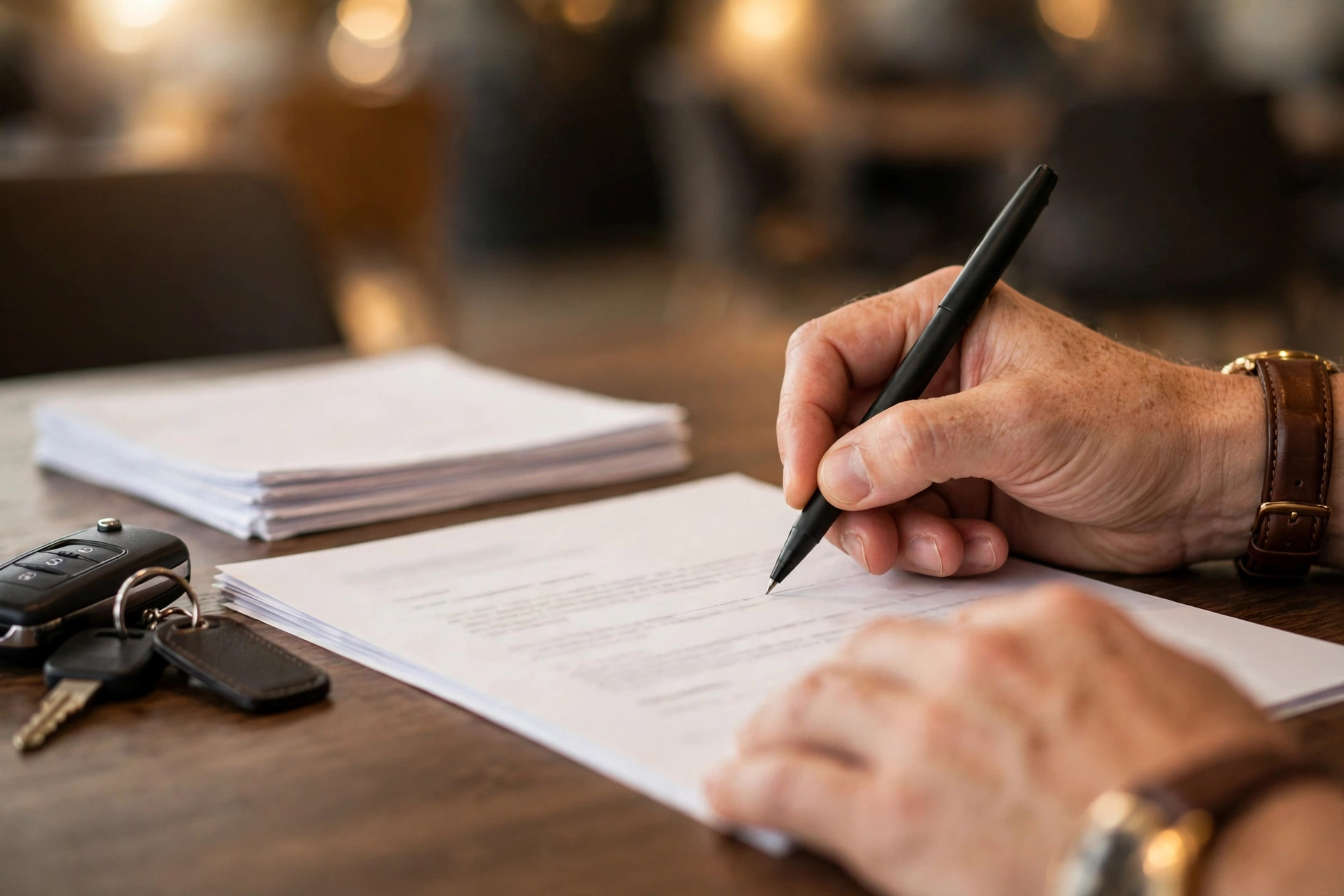
Leasing makes sense for some drivers. It may be the better choice if you:
- Drive less than 12,000 miles a year.
- Like driving a new car every two or three years.
- Want the latest safety features and technology.
- Prefer low monthly payments and predictable costs.
- Use the car for business and can deduct lease payments.
- Do not want to worry about selling or trading in a car.
Leasing is also popular with drivers who want a new car under warranty at all times. If you lease, you rarely face a big repair bill, because the car is almost always covered. If any of these sound like you, the lease vs buy a car answer for your situation is probably leasing.
Who Should Buy a Car?
Buying is usually the smarter choice if you:
- Drive more than 15,000 miles a year.
- Plan to keep the car for six years or longer.
- Want no monthly payment after the loan ends.
- Like to modify or personalize your car.
- Want to build equity in something you own.
- Drive on rough roads or carry kids and pets that wear a car out faster.
Buying also suits anyone who hates the idea of paying forever. Once the loan is done, that money stays in your pocket every month. If these describe you, the lease vs buy a car answer for you is probably buying.

Common Mistakes to Avoid
Whether you lease or buy, a few mistakes can cost you hundreds or even thousands of dollars. The lease vs buy a car decision is easier when you avoid these common traps.
- Focusing only on the monthly payment. A low payment can hide a long loan term, a big down payment, or extra fees. Always compare the total cost.
- Ignoring the mileage limit on a lease. If you drive 18,000 miles a year on a 12,000-mile lease, the overage fees can add up to thousands of dollars.
- Skipping the negotiation. Lease and loan terms are negotiable, just like the car’s price. A lower price means lower payments either way. See our guide on how to negotiate used car price for tactics that work on new cars too.
- Not checking your credit first. Your credit score affects your interest rate and your lease terms. Find out where you stand with our guide on what credit score you need to buy a car.
- Forgetting insurance costs. Newer and more expensive cars cost more to insure, and leased cars usually require higher coverage limits. Get an insurance quote before you sign.
- Not reading the fine print. Lease contracts include fees for excess wear, early termination, and disposition at turn-in. Loan contracts may include prepayment penalties. Read every line before you sign.
Quick Summary
- Leasing means lower monthly payments, a new car every few years, and no ownership.
- Buying means higher payments for a few years, then no payments and a car you own.
- Over six years or more, buying usually costs less in total.
- Leasing suits low-mileage drivers who want a new car often.
- Buying suits high-mileage drivers and anyone who keeps cars a long time.
- Always compare total cost, not just the monthly payment.
- That is the lease vs buy a car choice in a nutshell.
Frequently Asked Questions
Is it cheaper to lease vs buy a car?
It depends on the time frame. Leasing is cheaper month to month, but buying is usually cheaper over six years or more, because you stop making payments and still own a car with value. If you lease vs buy a car and compare only three years, leasing often wins. Over ten years, buying almost always wins.
Can I buy my leased car at the end of the lease?
Yes, most leases give you the option to buy the car for its residual value, the price set when you signed the lease. This can be a good deal if the car is worth more than the residual value, or if you have grown attached to it and it has been reliable.
What happens if I go over the mileage limit on a lease?
You pay an excess mileage fee, usually 15 to 25 cents per mile. If you drive 5,000 miles over the limit, that is $750 to $1,250. Some leases let you buy extra miles upfront at a lower rate, which is worth doing if you know you drive a lot. That is why mileage is one of the biggest factors in the lease vs buy a car decision.
Is leasing a car bad for your credit?
Leasing affects your credit the same way a loan does. The dealer checks your credit, and on-time payments help your score. Missed payments hurt it. A lease also appears on your credit report as an open account, just like a loan.
Should first-time buyers lease or buy?
Most first-time buyers are better off buying, especially if they choose a reliable used car. Buying builds equity and avoids mileage worries. Our guide to the best used cars for first-time buyers is a good place to start.
Conclusion
So, should you lease vs buy a car? If you drive few miles, love new cars, and want the lowest possible monthly payment, leasing is a fair choice. If you drive a lot, keep cars for years, and want to stop paying one day, buying is the better deal — and it usually saves you more money in the long run.
Before you sign anything, check the total cost of both options for the car you want, confirm your credit score, and gather the paperwork you will need. Our checklist of documents needed to buy a used car covers the papers dealers ask for, and if you are weighing a certified pre-owned car instead, read our comparison of certified pre-owned vs used cars first.
The best choice is the one that fits your driving habits and your budget — not the one with the flashiest monthly payment. Run the numbers for your own situation before you settle the lease vs buy a car question, and you will be happy with your car long after you drive it home.