

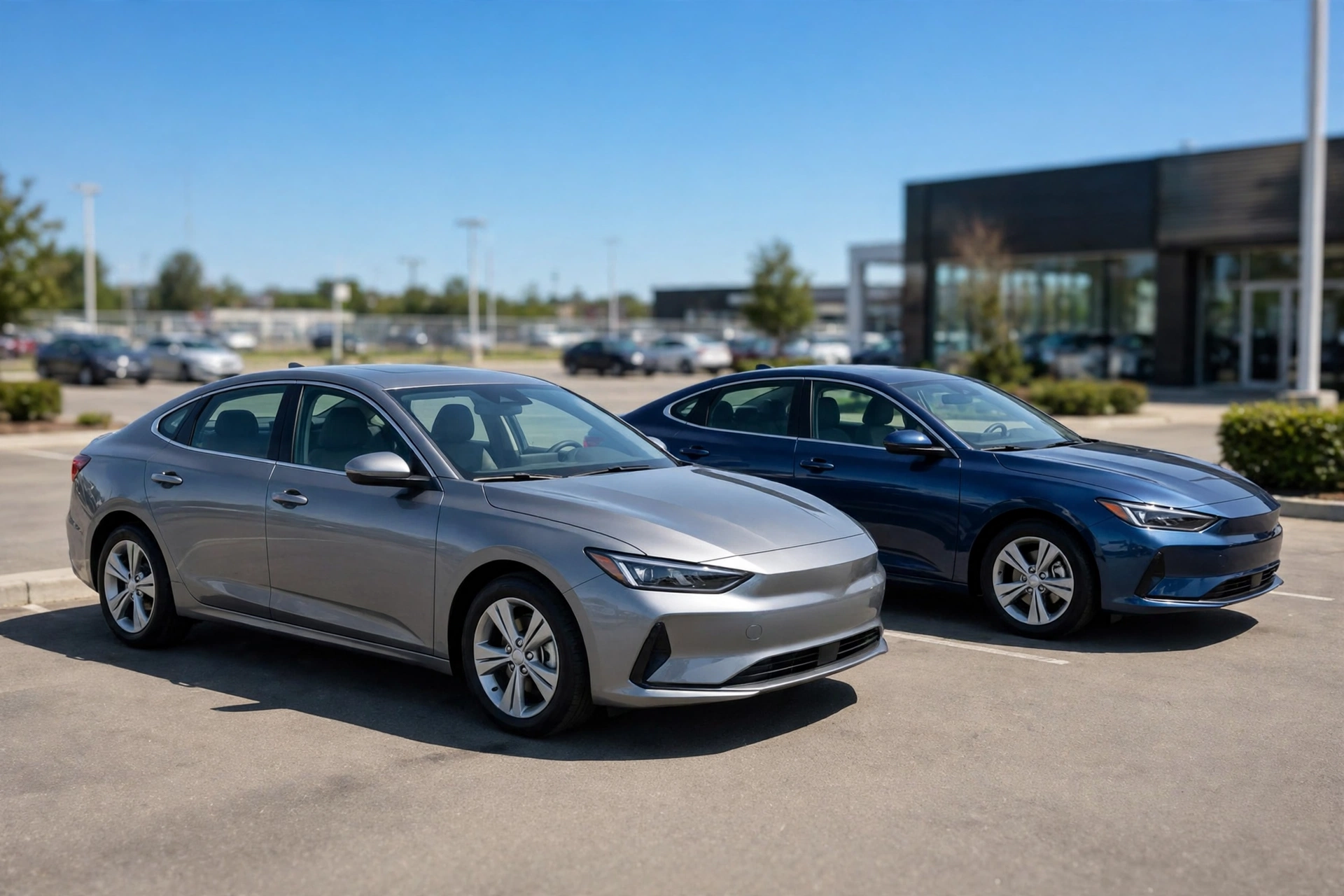
If you are shopping for a used vehicle, the certified pre-owned vs used car decision is probably the first fork in the road. Both options can put you in a good car for less than a new one, but they are not the same thing. A certified pre-owned car has passed a dealer inspection, comes with a warranty, and usually costs more. A regular used car is cheaper and gives you more choice, but it comes with more risk.
Table of Contents
This guide breaks down the certified pre-owned vs used car choice in plain English: what each label really means, the seven differences that matter most, what the extra cost buys you, and how to decide which one fits your budget and your comfort with risk.
What Is a Certified Pre-Owned Car?
A certified pre-owned (CPO) car is a used car that a franchised dealer has inspected, reconditioned, and backed with a manufacturer warranty. Only cars that meet the maker’s age and mileage limits qualify — usually under five or six years old and under roughly 75,000 to 80,000 miles, though the exact limits vary by brand.
Before a car earns the certified label, a factory-trained technician runs a multi-point inspection that often covers 150 or more items, from the engine and brakes to the electronics and the body. Worn parts are replaced, the car is detailed, and the dealer usually includes a vehicle history report and a roadside assistance plan. In short, a certified car is the closest thing to a new car you can buy at a used-car price.
What Is a Regular Used Car?
A regular used car is any car sold without the certified label. It might come from a dealer lot, an independent used-car lot, or a private seller, and it can be any age or mileage. Some used cars are nearly new; others have 200,000 miles and a long history.
A dealer-sold used car may include a short warranty or a basic inspection, but there is no standard behind the label. A private sale is usually sold as-is, which means that once you pay, any problem is yours. That is why the price is lower — and why a careful inspection matters so much before you buy.
Certified Pre-Owned vs Used Car: 7 Key Differences
The certified pre-owned vs used car comparison comes down to seven things: price, inspection, warranty, age and mileage, financing, return policy, and peace of mind. Here is how they stack up.
1. Price
In the certified pre-owned vs used car price debate, CPO cars almost always cost more than a similar non-certified car. The dealer has paid for the inspection, the reconditioning, and the warranty, and that cost is passed on to you. The gap is usually a few hundred to a few thousand dollars, depending on the car and the brand.
A regular used car is the cheapest way into a particular model. If your budget is tight, that lower price can be the deciding factor — as long as you set aside some money for repairs.
2. Inspection
That inspection is the heart of the certified pre-owned vs used car difference. A CPO car has been through a manufacturer checklist with 150 or more points, done by a factory-trained technician. Problems found during the check are fixed before the sale.
A regular used car may have had no inspection at all. Even a dealer used car might only get a quick safety check. That is why following a used car inspection checklist is worth doing before you buy any non-certified car — it walks you through the same areas a dealer checks.

3. Warranty
Warranty is where the certified pre-owned vs used car gap is widest. A CPO car comes with a manufacturer-backed warranty that often extends the original coverage by a year or more, with a mileage cap. Powertrain coverage is standard, and many programmes add bumper-to-bumper coverage and free roadside assistance.
A regular used car may come with no warranty at all. Some dealers offer a short 30- or 90-day warranty, and some states require a minimum warranty on dealer sales, but a private sale is almost always as-is. If the transmission fails a month after you buy, the bill is yours.
4. Age and Mileage Limits
The certified pre-owned vs used car age rules are strict on the CPO side. Most manufacturer programmes only accept cars under five or six years old and below a set mileage, often around 75,000 to 80,000 miles. That keeps CPO lots full of newer, lower-mileage cars.
A regular used car has no age or mileage limit. That is good news if you want an older car for a low price, but it also means you need to check the car’s condition and history yourself.
5. Financing
Financing is another quiet part of the certified pre-owned vs used car decision. Because CPO cars are newer and backed by the manufacturer, lenders often offer lower interest rates on them — sometimes close to new-car rates. Some brands run special CPO finance offers.
Older used cars usually carry higher rates, and a private sale often means arranging your own loan or paying cash. Before you shop, it helps to know what credit score you need to buy a car, because your score shapes the rate you will be offered either way.
6. Return Policy and Exchange
Some CPO programmes include a short exchange window — often a few days or a few hundred miles — if you change your mind. It is not a full money-back guarantee, but it is a safety net you will rarely find on the other side.
A regular used car sale is usually final. A private seller has no obligation to take the car back, and most independent lots sell as-is. Once you sign, the car is yours.
7. Peace of Mind
Put it all together and the certified pre-owned vs used car choice is really a trade between price and peace of mind. A CPO car costs more, but you get a checked car, a real warranty, a history report, and a dealer who stands behind the sale.
A regular used car costs less, but you take on the risk yourself. For a careful buyer who inspects the car and checks its history, that risk can be managed — and the savings are real.
How Much More Does a Certified Pre-Owned Car Cost?
So how much extra does the certified pre-owned vs used car premium actually cost? There is no single number, because the premium depends on the brand, the model, and the local market. As a rough guide, expect a CPO car to cost more than a similar non-certified car of the same age and mileage — often by a noticeable margin.
Whether that premium is worth it depends on the car. On a reliable, low-mileage model with a strong record, the premium buys you a warranty you may never use. On a complex luxury car with expensive parts, the same premium can pay for itself with a single repair. Before you decide, get quotes for both and compare the total cost, not just the sticker price. And remember, the sticker price is not final — our guide to negotiating used car price shows how to bring the number down on either type.
Which One Should You Buy?
Your budget decides the certified pre-owned vs used car question more than anything else. Use this quick guide:
- Choose a certified pre-owned car if: you want a newer car with a warranty, you do not want to worry about surprise repairs, you are buying a model known for expensive fixes, or you are a first-time buyer who wants the extra safety net.
- Choose a regular used car if: your budget is tight, you can inspect the car yourself or pay a mechanic to do it, you want an older or rarer model that CPO programmes do not cover, or you are comfortable handling repairs as they come.
There is no wrong answer. A CPO car is the safer, pricier route. A regular used car is the cheaper route that rewards a careful buyer.

Tips for Buying Either Type
Whichever side of the certified pre-owned vs used car decision you land on, these steps protect you:
- Check the history. Run the VIN through a history report and check for recalls before you pay. Our guide on checking car recalls by VIN shows five free ways to do it, and the FTC’s guide to buying a used car is a good second source for what to check before you sign.
- Get an independent inspection. Even a CPO car benefits from a second opinion, and a pre-purchase inspection closes much of the certified pre-owned vs used car safety gap on a regular used car. A good mechanic charges a modest fee for a check that can save you thousands.
- Test drive properly. Drive on city streets and at highway speed, and listen for noises the seller did not mention.
- Read the warranty in full. CPO warranties have exclusions and mileage caps. Know what is covered before you sign.
- Gather your paperwork. You will need proof of insurance, ID, and payment. Our list of documents needed to buy a used car covers the nine papers to bring.
- Compare total cost. Add tax, fees, insurance, and the first year of maintenance before you compare prices.
Quick Summary
In short, the certified pre-owned vs used car choice is a trade between price and peace of mind. A certified pre-owned car costs more but comes inspected, reconditioned, and backed by a manufacturer warranty with age and mileage limits. A regular used car costs less and gives you more choice, but the inspection, the history check, and the repair risk are all on you. Pick the CPO route when you want protection and can pay for it; pick a regular used car when your budget is tight and you are willing to inspect carefully.
Frequently Asked Questions
Is a certified pre-owned car worth the extra money?
The certified pre-owned vs used car choice is worth the extra money if you value the warranty and the inspection more than the savings. For a first-time buyer, or for a car with costly parts, the protection usually pays for itself in peace of mind, even if you never make a warranty claim.
Can you negotiate the price of a certified pre-owned car?
Yes. CPO prices are negotiable, just like any used car. Dealers have room to move, especially on cars that have sat on the lot for a while. Compare similar listings first, then make a fair offer backed by the car’s market value.
Does a certified pre-owned car have a better warranty than a regular used car?
Yes. The certified pre-owned vs used car warranty is the main reason to pay more: a CPO car carries a manufacturer-backed warranty that usually covers the powertrain and often adds bumper-to-bumper coverage and roadside assistance, while a regular used car often has no warranty at all.
Can a private seller sell a certified pre-owned car?
No. Only franchised dealers can certify a car, because the certification is the manufacturer’s programme. A private seller can sell you a good car, but it cannot be certified, and the sale is almost always as-is.
Should a first-time buyer choose certified pre-owned or a regular used car?
For a first-time buyer, the certified pre-owned vs used car decision usually favours CPO. The inspection, warranty, and history report remove the guesswork, which matters most when you have not bought a car before. If the budget is tight, a well-inspected regular used car is a fine second choice.
Conclusion
At the end of the day, the certified pre-owned vs used car debate has no single winner — it has a right answer for your budget, your risk tolerance, and the car in front of you. If you want the closest thing to a new-car experience at a used-car price, a certified pre-owned car is worth the premium.
If you want the lowest price and you are willing to inspect the car and check its history, a regular used car will save you money. Either way, take your time, check the car, read the paperwork, and never rush the decision. The right car is the one that fits your life and your budget — not the one the dealer is most eager to sell.