

How long do electric car batteries last? Most electric car batteries last 10 to 20 years, or around 100,000 to 200,000 miles, before they lose enough capacity to matter. That is the short answer, and it is good news for anyone thinking about buying an electric car.
Table of Contents
If you are shopping for an electric car, or already own one, the battery is the part you worry about most. It is also the most expensive part of the car. This guide answers one question in detail: how long do electric car batteries last, what wears a battery out, and which simple habits can add years to its life.
How Long Do Electric Car Batteries Last on Average?
On average, how long do electric car batteries last? Real-world data from automakers and independent studies points to 10 to 20 years of useful life. Most drivers cover 100,000 to 200,000 miles in that time, and many batteries still hold 70 to 80 percent of their original capacity at that point.
That is far longer than most people expect. Early electric cars from a decade ago had smaller batteries and weaker thermal management, so they degraded faster. Modern EVs use liquid cooling, smarter battery management systems, and better cell chemistry, and the difference shows in the numbers.
Most carmakers back this up with a warranty. In the United States, federal rules require an 8-year or 100,000-mile warranty on EV batteries, and several brands go further. If a battery fails or loses too much capacity inside the warranty, the maker replaces or repairs it.
What Battery Life Really Means
When people ask how long do electric car batteries last, they usually mean one of two things: how many years the battery will work, or how many miles it will cover before the range drops too far. Those are different questions, and both matter.
An EV battery does not suddenly die like a phone battery. It loses capacity slowly, a little at a time. A battery that started with 250 miles of range might offer 225 miles after a few years and 200 miles after a decade. The car still drives fine. It just needs charging a little more often.
Manufacturers usually call a battery worn out when it holds about 70 percent of its original capacity. That is the point where range loss starts to feel like a real problem, not just a number on a dashboard.
Do not confuse the big traction battery with the small 12-volt battery that runs your lights and accessories. That small battery is a different part entirely, and our guide on how long does a car battery last explains its much shorter lifespan.
Mileage Matters More Than Age
High mileage alone does not decide how long do electric car batteries last. Charging habits and climate matter just as much as the number on the odometer.
A battery that has covered 150,000 gentle highway miles can be healthier than one with 60,000 hard miles of daily fast charging in extreme heat. Age matters, but how the battery was treated matters more.
Think of it like a petrol engine. Two cars of the same age can be in very different shape depending on how they were driven and serviced. EV batteries work the same way. A well-cared-for battery can outlast the car around it, while a neglected one fades early.
For a rough rule, follow your car maintenance schedule by mileage and treat battery care as part of the same routine.
Fast Charging Speeds Up Wear
If you want to know how long do electric car batteries last with daily fast charging, the honest answer is: less time than with slower charging.
DC fast chargers push a lot of energy into the battery in a short time, and that creates heat and stress inside the cells. Occasional fast charging on a road trip is fine. Using it as your only way to charge, every single day, will wear the battery faster.
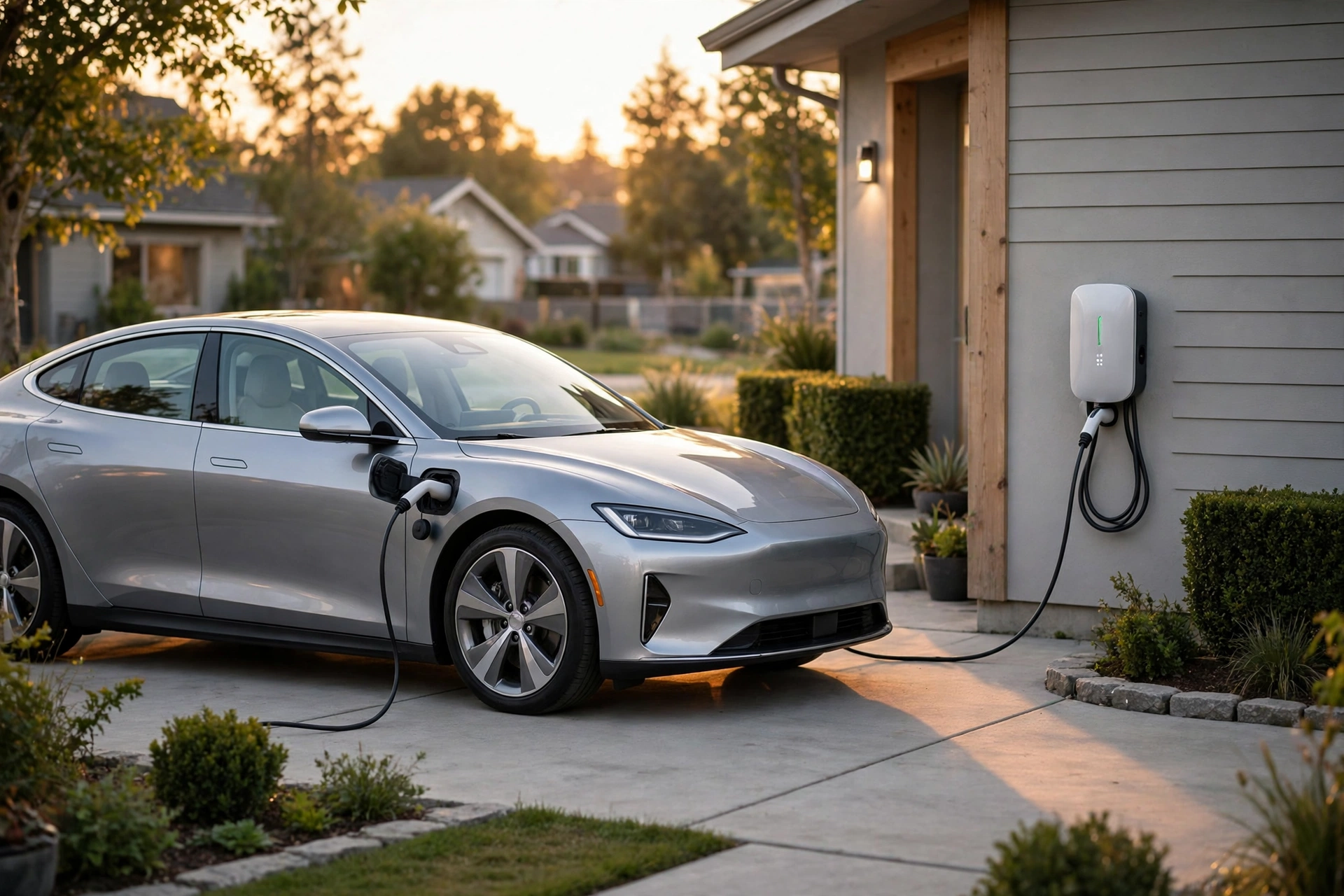
Home charging is much gentler. A Level 1 or Level 2 charger fills the battery slowly overnight, which is easier on the cells. Our guide to EV charging at home explains the two home-charging options and what each one costs to set up.
Use fast charging when you need it, and slow charging when you do not. That one habit can add years to your battery’s life.

Heat Is the Battery’s Biggest Enemy
Heat is the single biggest factor in how long do electric car batteries last in hot climates.
High temperatures speed up the chemical reactions inside a battery, and those reactions cause permanent capacity loss. A car that spends its life parked in the sun in Arizona will lose capacity faster than the same car in Oregon.
Most modern EVs fight back with liquid cooling. The battery management system keeps the pack near its ideal temperature while you drive and while you charge. That is one reason newer EVs age better than early models, which often relied on simple air cooling.
You can help too. Park in the shade or a garage when you can, and avoid leaving the car at 100 percent charge in extreme heat. Small choices like these slow the wear that heat causes.
Cold Weather Hurts Range, Not Long-Term Life
Drivers in cold states often ask how long do electric car batteries last in winter. The good news is that cold weather cuts your range for a few months, but it does not cause the same permanent damage that heat does.
In winter, the battery chemistry slows down and the heater draws extra energy, so you may see 20 to 30 percent less range on the coldest days. The range comes back when the weather warms up.
That is very different from heat damage, which is permanent. Cold is a temporary problem. Heat is a lasting one.
To keep your winter range as high as possible, preheat the car while it is still plugged in and use the heated seats instead of blasting the cabin heater. Our guide to EV range in winter covers these tricks in detail.
Keep the Charge Between 20% and 80%
The 20 to 80 percent rule is the simplest answer to how long do electric car batteries last on a daily basis. Keeping the battery in that middle range puts the least stress on the cells.
Lithium-ion batteries are happiest when they are neither full nor empty. Charging to 100 percent every night, or running the battery down to zero, wears the cells faster than staying in the middle.
For everyday driving, set your car’s charge limit to 80 percent. Only charge to 100 percent when you need the full range for a long trip, and try to start driving soon after it finishes.
Most EVs let you set a charge limit in the car’s menu or app. Set it once and forget it. Your battery will thank you.
Your Driving Style Affects Battery Health
Your right foot plays a bigger role in how long do electric car batteries last than most owners realise.
Hard acceleration draws a sudden burst of energy from the battery, and repeated hard launches add stress to the cells. Smooth, steady driving is much kinder to the pack.
Use regenerative braking whenever you can. It recovers energy when you slow down and reduces wear on both the battery and the brakes. Most EVs let you adjust how strong the regenerative braking feels.
You do not need to drive slowly. Just avoid flooring the accelerator at every green light. A calm driving style is one of the easiest ways to protect your battery.

Check Battery Health Before Buying a Used EV
Before you buy a used electric car, ask how long do electric car batteries last in that specific car. A dealer or an EV specialist can run a battery health report that shows the pack’s current capacity.
The report usually shows the battery’s state of health as a percentage. A car that still holds 90 percent or more of its original capacity is in good shape. Below 80 percent, you should expect noticeably shorter range and a lower price to match.
Also check the warranty. If the car is still inside its 8-year battery warranty, you have a safety net. If the warranty has expired, get an independent inspection before you pay.
For a general idea of how to test a car battery at home, our guide covers the basic checks you can do yourself — though a full EV battery report needs specialist equipment.
Signs Your EV Battery Is Wearing Out
Watch for these signs. They are the clearest clues about how long do electric car batteries last in your car before a replacement is worth considering.
- Range drops noticeably faster than it used to, even in mild weather.
- The car takes much longer to charge than it did when it was new.
- The dashboard shows a battery warning light or a battery fault message.
- The car loses a large amount of charge overnight while parked.
- Charging stops early, or the battery will not charge past a certain level.
One or two of these signs on their own may mean a software issue or a faulty sensor, not a dying battery. But several together, especially a big range drop, mean it is time to have the pack tested by a specialist.
Some of these warnings overlap with the classic car battery warning signs every owner should know, but an EV traction battery is a different system from the 12-volt battery.
How Much Does an EV Battery Replacement Cost?
The good news is that most owners never need a replacement. Because a new pack is so expensive, knowing how long do electric car batteries last helps you decide whether a used EV is a bargain or a risk.
A replacement battery pack can cost anywhere from several thousand dollars to more than $20,000, depending on the model and the size of the pack. Labour adds to the bill, and prices vary a lot between brands.
That sounds like a lot, and it is. But remember the warranty. Most EV batteries are covered for 8 years or 100,000 miles, and many last well beyond that. Replacement is rare, and prices have been falling as batteries get cheaper to make.
Some owners choose a different route: selling the car while the battery still has useful life, or using the old pack for home energy storage. A battery that is too weak for a car can still store power for a house for years.
The U.S. Department of Energy’s guide to electric vehicles has the latest official information on EV batteries, charging, and running costs.
Frequently Asked Questions
How long do electric car batteries last in years?
Most last 10 to 20 years. The exact number depends on the model, the climate, and how the car was charged. Many EVs on the road today are over a decade old and still running on their original battery.
Do electric car batteries need to be replaced?
In most cases, no. The answer to how long do electric car batteries last is usually longer than the time most people keep a car. Most owners sell or trade in their EV long before the battery needs replacing.
How long do electric car batteries last in cold weather?
Cold weather shortens range in winter, but it does not shorten how long do electric car batteries last over the years. The range loss is temporary, and it returns when temperatures rise.
Can you make an electric car battery last longer?
Yes. Charge at home when you can, keep the battery between 20 and 80 percent, avoid daily fast charging, and park in the shade in summer. These four habits make the biggest difference.
What happens when an electric car battery dies?
Nothing dramatic happens all at once. Range fades a little each year, and that slow fade is exactly what decides how long do electric car batteries last in practice.
Quick Summary
- Most electric car batteries last 10 to 20 years, or 100,000 to 200,000 miles.
- The short answer to how long do electric car batteries last is 10 to 20 years, and most batteries still hold 70 to 80 percent capacity at that point.
- Heat, daily fast charging, and charging to 100 percent every night are the biggest causes of wear.
- Cold weather cuts range in winter but does not cause permanent damage.
- How long do electric car batteries last depends mostly on charging habits, heat, and mileage — not just age.
- Check the battery health report and the warranty before buying a used EV.
The Bottom Line
So, how long do electric car batteries last? For most drivers, the answer is long enough. A modern EV battery should give you 10 to 20 years of driving, and most owners will never need a replacement.
Buy the car, charge it sensibly, and the question of how long do electric car batteries last will take care of itself for a decade or more.

